The Leading Techniques for Light Weight Aluminum Spreading That You Need to Know
In the realm of aluminum precision, know-how and spreading are paramount. Comprehending the subtleties of various casting methods can significantly affect the high quality and effectiveness of the end product. From the standard sand casting method to the detailed investment spreading procedure, each technique uses one-of-a-kind benefits that deal with various task demands. As we navigate with the top techniques for light weight aluminum casting, it becomes apparent that understanding these approaches is critical for attaining optimum results. Let's check out the details of these methods and just how they shape the globe of light weight aluminum spreading.
Sand Casting Method
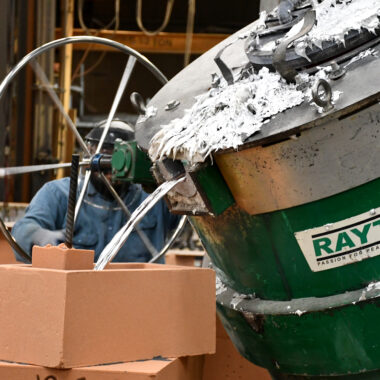
The Sand Spreading Technique is a fundamental method in aluminum spreading, commonly made use of for its cost-effectiveness and convenience in creating elaborate steel shapes. This strategy includes creating a mold and mildew constructed from compacted sand into which liquified aluminum is put, permitting it to strengthen and take the shape of the mold and mildew. One of the vital benefits of sand spreading is its capacity to generate complicated geometries with fairly reduced tooling expenses, making it an appealing choice for producers seeking to create special parts.
In the sand casting process, a pattern of the final part is pressed right into a fine sand mixture consisted of within a flask. When the pattern is removed, a tooth cavity standing for the last part's shape is left in the sand. Molten aluminum is after that poured into the tooth cavity, filling the space and taking on the precise information of the pattern. After the light weight aluminum cools down and solidifies, the sand mold and mildew is escaped, revealing the freshly cast aluminum part. Sand casting is frequently made use of in various markets, including automobile, aerospace, and art shops, as a result of its capability to produce both little and large steel parts with detailed styles.
Financial Investment Casting Process
An elaborate technique used in light weight aluminum casting is the Investment Casting Refine, recognized for its capability to produce extremely outlined and elaborate metal elements. Also described as the lost-wax casting procedure, this strategy dates back countless years and continues to be a prominent choice in numerous sectors as a result of its flexibility and precision - aluminum casting.
The investment spreading procedure starts with the development of a wax pattern, which is coated with a ceramic shell to develop a mold and mildew. The wax is after that melted out, leaving a cavity in the form of the preferred part. Molten light weight aluminum is put right into the ceramic mold and mildew, taking and loading the tooth cavity on the detailed information of the initial wax pattern.
This method is preferred for its capability to generate complicated forms with outstanding surface finish and dimensional accuracy. It is typically used in the production of aerospace components, precious jewelry, and commercial helpful resources machinery where intricate layouts are called for. The financial investment spreading process provides high repeatability and can produce get rid of minimal machining needed, making it a cost-efficient selection for several applications.
Long-term Mold Technique
Employing a different technique from the Investment Casting Refine, the Permanent Mold and mildew Technique in light weight aluminum spreading provides an unique strategy for creating steel parts. In this approach, a multiple-use mold, typically made of steel or cast iron, is used to form the liquified aluminum. The mold and mildew is preheated to a certain temperature prior to the light weight aluminum is put into it. The warmth transfer from the liquified metal to the mold and mildew aids in strengthening the light weight aluminum swiftly, lowering the cooling time compared to sand casting.
One of the crucial benefits of the Permanent Mold And Mildew Technique is the improved surface area coating and dimensional accuracy of the spreadings generated. This approach is additionally recognized for its capability to produce high-strength light weight aluminum parts with consistent top quality. Furthermore, the recyclable nature of the mold makes it a cost-effective option for medium to high volume manufacturing runs.
Pass Away Casting Innovation
Making use of advanced production procedures, die casting modern technology offers a highly effective method for creating intricate aluminum elements. This strategy includes injecting liquified light weight aluminum into a steel mold, called a die, at high stress. The die is specially made to shape the light weight aluminum into the wanted kind, resulting in high precision and excellent surface coating.
Pass away casting deals numerous benefits. It permits the manufacturing of intricate forms with slim walls, limited resistances, and smooth surface areas, making it optimal for applications where visual appeals and precision are crucial. Furthermore, pass away spreading allows quick manufacturing rates, minimizing total production visit the website time and prices.
Lost Foam Casting Technique
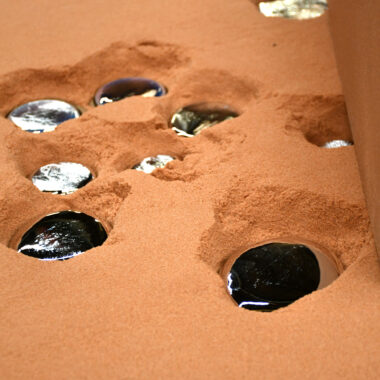
Pass away casting modern technology's performance and accuracy our website in generating light weight aluminum parts pave the method for exploring the Lost Foam Casting Method as a complementary production strategy. Lost Foam Spreading, likewise understood as evaporative pattern spreading, is an approach that makes use of foam patterns to develop complex aluminum parts.
One of the vital benefits of Lost Foam Spreading is its ability to create complex designs with detailed information that may be challenging to attain via standard casting approaches. In addition, this method eliminates the demand for cores, lowers machining operations, and allows for tighter resistances. Lost Foam Casting is particularly ideal for small to medium-sized light weight aluminum components that require high accuracy and intricate geometries. aluminum casting. As markets continue to require lightweight yet sturdy components, Lost Foam Spreading shows to be an important approach in the realm of light weight aluminum spreading.
Final Thought
In conclusion, comprehending the leading techniques for light weight aluminum spreading is important for attaining premium cause the production process. Sand spreading, financial investment casting, long-term mold and mildew, pass away casting, and lost foam spreading are all reliable methods for creating light weight aluminum parts with various degrees of intricacy. By mastering these techniques, makers can make certain that their products meet the wanted specifications and requirements for efficiency and durability.
From the conventional sand casting technique to the detailed financial investment casting process, each method uses one-of-a-kind benefits that provide to various project requirements.The Sand Casting Strategy is a fundamental method in aluminum casting, commonly used for its cost-effectiveness and convenience in developing detailed steel forms. Lost Foam Casting, likewise understood as evaporative pattern casting, is a method that uses foam patterns to create elaborate aluminum components. As sectors proceed to require light-weight yet long lasting elements, Lost Foam Casting shows to be an important method in the realm of light weight aluminum spreading.
Sand spreading, financial investment spreading, irreversible mold and mildew, die casting, and shed foam spreading are all efficient techniques for producing light weight aluminum components with different levels of intricacy.
Comments on “Optimizing Performance: Advanced Aluminum Casting Solutions Introduced”